Everything in that drawer outlived the person who could explain it.
You didn't inherit the object. You inherited the question — and one day an insurer, an executor or a buyer will ask it out loud. The answer was written down when the thing was new: a stamp office ledger, a factory production book, a museum’s accession register. We go and find it — and tell you how strongly it holds up, naming which register, and whether it let us in.
Start with one thing.
One photograph is enough to ask. Three tell us more.
Opening the registers
No card. No payment. The account is just so it’s yours on any device.
What people put in · illustrative
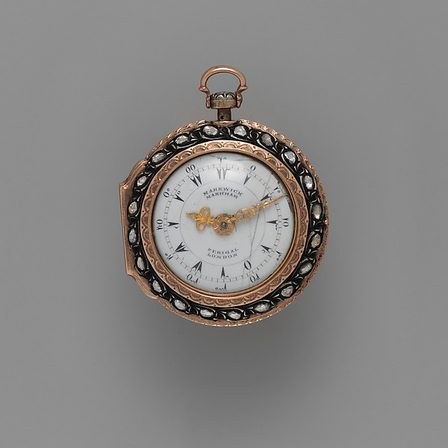
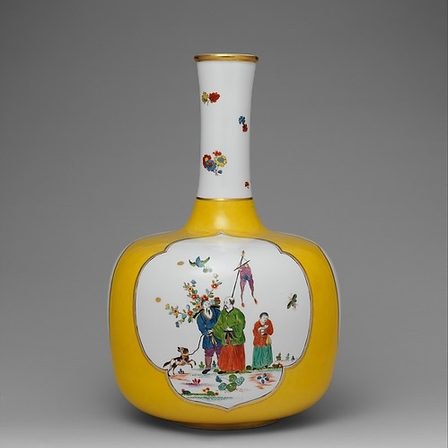
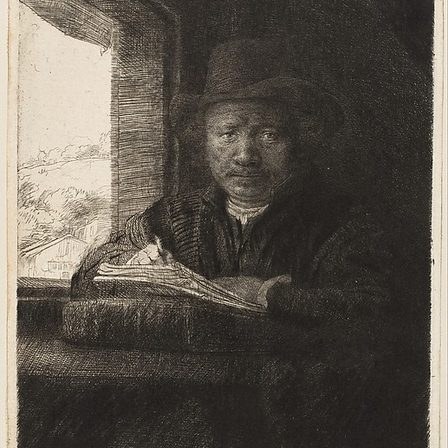
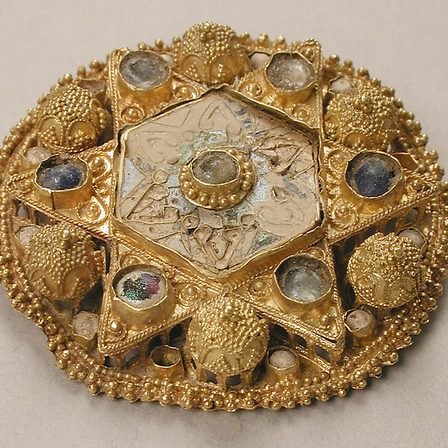
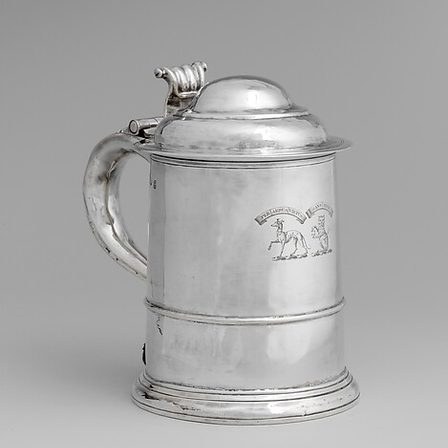
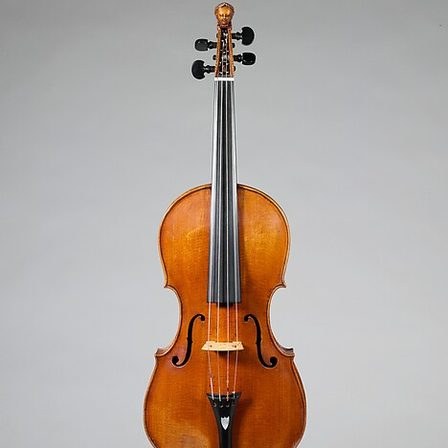
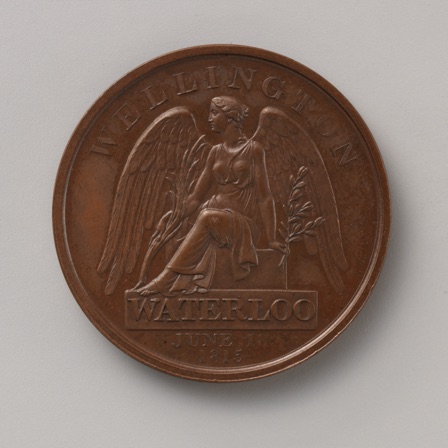
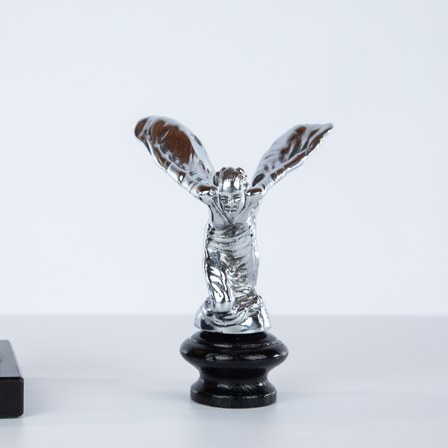
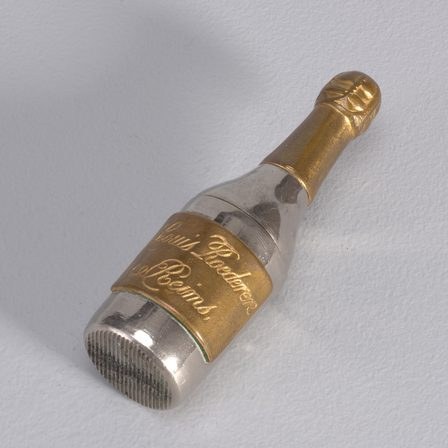
Illustrative. Photographs are public-domain collection images, not customer objects.
Why a collection and not a report.
It holds the object.
Photographs, documents and what you remember, kept together in one place. The marks are read for you and written down as read. Nothing is thrown away because it did not fit a form.
Bring the family in.
Invite a brother, a cousin, the aunt who was actually there. They add what they remember and see what you find. Every addition carries the name of the person who made it.
It is built to go with the object.
Sold, insured or inherited, the record is designed to travel with the thing. The next person starts where you stopped rather than at the beginning.